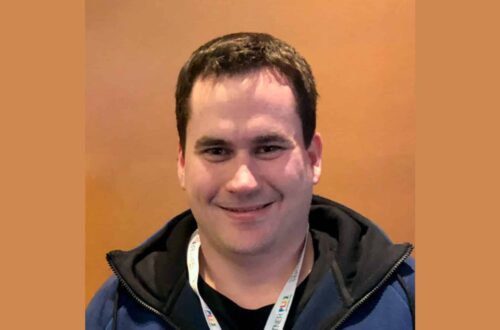
Today, we sat down with Noah Loul, CEO of AI Agents by B2B Rocket, a company transforming how businesses generate leads and close deals using artificial intelligence. Noah Loul has dedicated his career to helping businesses automate sales, scale faster, and reach customers at the right time.
In this interview, Noah Loul discusses the critical role of AI in modern sales strategies, why traditional sales methods are becoming less effective, and how businesses can implement AI agents to improve performance. He provides examples of AI applications, shares lessons from his experience leading AI-driven sales teams, and offers actionable advice for business leaders and sales professionals.
Interviewer: Noah Loul, thank you for joining us today. Let’s start with your statement that “companies without AI sales agents won’t survive the next decade.” Can you explain why you believe this?
Noah Loul: Thank you for having me. The sales process is changing fast. Customers expect faster responses, personalized interactions, and round-the-clock engagement. AI sales agents can handle these demands by automating repetitive tasks, qualifying leads, and providing instant responses. Companies that rely solely on human sales teams will struggle to keep up. They will spend more time on administrative tasks and less time engaging customers, which impacts revenue growth.
Interviewer: So, AI is becoming essential for survival rather than just a tool for efficiency?
Noah Loul: Exactly. Think of it this way: every business competes for attention, leads, and customer loyalty. AI helps you respond faster, reach the right audience, and maintain consistent communication. Without it, companies risk falling behind competitors who are already using AI to improve their sales processes.

Interviewer: How are AI sales agents different from traditional CRM tools?
Noah Loul: CRM tools store information, but AI sales agents actively use that information to engage leads. They can analyze customer behavior, predict buying intent, and follow up automatically. For example, an AI agent can reach out to a lead who visited your pricing page, answer their questions instantly, and even schedule a meeting with a human sales rep if needed. This goes far beyond what traditional CRMs can do.
Interviewer: What are the most common tasks AI agents handle?
Noah Loul: AI sales agents can handle a range of tasks, including lead qualification, email outreach, chat responses, scheduling meetings, follow-ups, and data collection. They also provide insights into lead behavior, helping sales teams make better decisions. For example, they can tell you which leads are ready to buy, which need nurturing, and which channels perform best for engagement.

Interviewer: Some business leaders worry about replacing human sales teams with AI. How do you address that concern?
Noah Loul: The goal is not to replace humans but to empower them. AI handles repetitive tasks, allowing salespeople to focus on building relationships and closing deals. It’s about improving productivity and effectiveness. Human judgment is still critical in complex negotiations, while AI handles the groundwork and insights that make those conversations more productive.
Interviewer: How can a company start integrating AI into its sales process?
Noah Loul: Start small. Identify the tasks that take up the most time and could be automated. Then, implement AI for those tasks while monitoring results. For example, start with lead qualification and follow-ups. Track how AI impacts response times and conversion rates. Once you see measurable results, you can expand AI to other parts of the sales process. Training your team to work with AI is also important. They need to understand how to interpret AI insights and use them effectively.
Also Read: Rob Wren from Tampa Says, “Buy-and-Hold is the Key to Long-Term Wealth.”
Interviewer: Are there industries where AI sales agents are more effective?
Noah Loul: AI can benefit almost any industry, but it’s especially effective in sectors with high-volume lead generation, repetitive sales tasks, and customer engagement demands. SaaS, e-commerce, real estate, and B2B services have seen significant improvements. In these sectors, AI helps businesses scale faster without adding extra staff.
Interviewer: What trends do you see shaping the next decade in sales?
Noah Loul: The biggest trend is personalization at scale. Customers expect tailored interactions, and AI enables that without adding more human resources. Another trend is predictive analytics; AI will help businesses anticipate customer needs before they even reach out. Also, automation will continue to expand into tasks like contract generation, pricing recommendations, and post-sale support.

Interviewer: How should businesses measure the success of AI in sales?
Noah Loul: Focus on key metrics like conversion rate, lead response time, revenue per lead, and engagement levels. You can also track the time your sales team saves and how many leads are being handled without human intervention. The ROI is not just in revenue but also in productivity and scalability.
Interviewer: What advice do you have for business leaders hesitant to adopt AI?
Noah Loul: Don’t wait. The longer you delay, the more your competitors pull ahead. Start small, monitor results, and scale gradually. Treat AI as a partner for your team, not a replacement. Once you see the benefits, adoption becomes easier across the organization.
Interviewer: Thank you, Noah Loul. It’s clear that AI is no longer a luxury; it’s a necessity for businesses that want to thrive.
Noah Loul: Absolutely. Companies that embrace AI now will gain an edge in the market. Those who ignore it risk falling behind in the next decade.