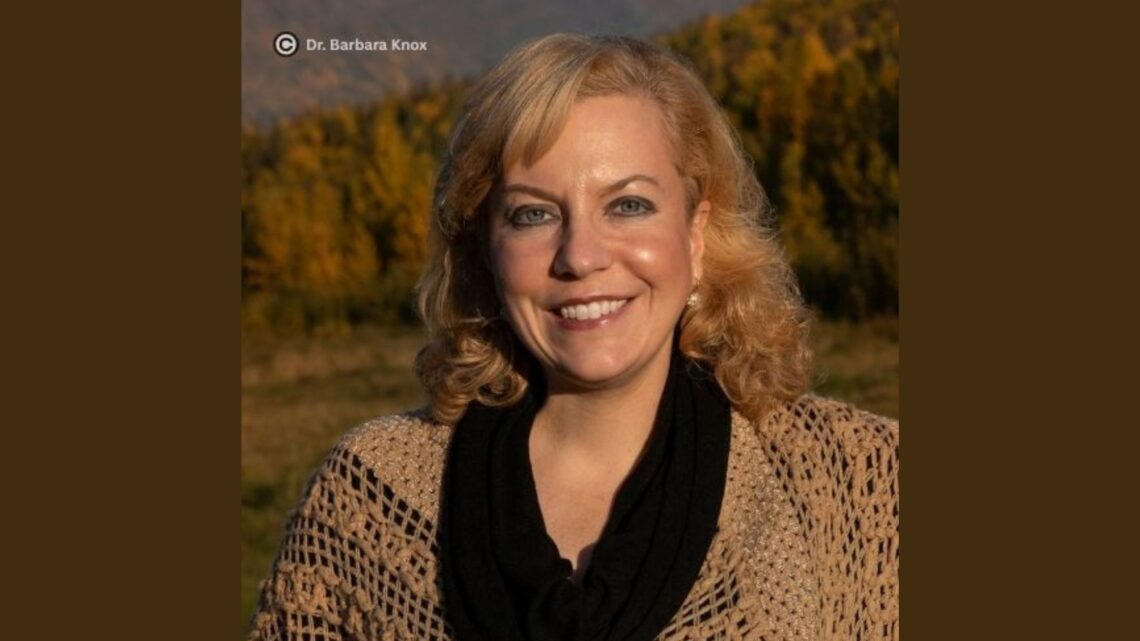
Today, we spoke with Dr. Barbara Knox, MD, a highly respected physician known for her dedication to protecting children and advancing the field of child abuse pediatrics. With board certifications in both general pediatrics and child abuse pediatrics, she brings deep experience from years of working with vulnerable children and their families. Dr. Barbara Knox bridges medical care and justice, ensuring every child’s story is heard, supported, and given the attention it deserves.
Interviewer: Dr. Barbara Knox, thank you for joining us. You’ve worked with many children and families over the years. What inspired you to dedicate your career to child abuse pediatrics?
Dr. Barbara Knox: When I started my medical training, I was drawn to pediatrics because I wanted to make a difference in the lives of children. Early in my career, I saw cases where children were hurt, but their voices were missing from the system. I realized that being a doctor wasn’t only about treating illnesses, it was about protecting children from harm. Every child deserves safety, care, and a chance to heal. That belief has guided my work ever since.
Interviewer: People often hear about child abuse but may not understand what actually happens behind the scenes. What are the realities of these cases that most people don’t see?
Dr. Barbara Knox: The public rarely sees the emotional and physical impact abuse leaves on a child. Many of the children I meet are scared, confused, or silent because they don’t know whom to trust. Behind every report or headline is a child who has lived through trauma. Our role as doctors is not only to identify injuries but also to understand the story behind them. Child abuse cases involve careful medical evaluation, coordination with social services, and sometimes legal action. It’s emotionally challenging, but when you help a child feel safe again, that’s what keeps you going.
Interviewer: What signs can adults look for if they suspect a child is being abused?
Dr. Barbara Knox: Abuse doesn’t always leave visible marks. Changes in behavior are often the first clue. A child may suddenly become withdrawn, fearful, or aggressive. You might see a drop in school performance or a loss of interest in activities they used to enjoy. Physical signs like unexplained bruises, burns, or fractures should always raise concern, but emotional changes are just as important. If something feels off, trust your instincts and speak up. It’s better to make a report and be wrong than to stay silent and miss a chance to protect a child.
Also Read: Noah Loul says, “Companies Without AI Sales Agents Won’t Survive the Next Decade.”
Interviewer: Reporting abuse can feel intimidating for many adults. What would you say to someone who hesitates to get involved?
Dr. Barbara Knox: I understand that hesitation. People worry about being wrong or making things worse. But child protection is a shared duty. You don’t need proof to make a report, that’s the role of trained professionals. If you suspect abuse, your responsibility is to raise the concern. Every state has a child protection hotline where anyone can report anonymously. One phone call can change a child’s life. Silence, on the other hand, allows harm to continue.

Interviewer: How do you and your team approach a case when a child is brought in with suspected abuse?
Dr. Barbara Knox: We start by creating a safe and calm environment for the child. The first step is to listen and observe. I perform a detailed medical exam and document every finding carefully. If I suspect abuse, I communicate with child protective services and law enforcement to ensure the child’s safety. Collaboration is essential, doctors, social workers, nurses, and investigators all have a role. My goal is to provide an objective medical opinion based on evidence, not emotion. That clarity can help protect both the child and the integrity of the case.
Interviewer: Working in this field must be emotionally demanding. How do you manage the stress that comes with it?
Dr. Barbara Knox: It’s true that these cases take an emotional toll. I’ve learned the importance of self-care and teamwork. Talking with colleagues, reflecting on successes, and remembering the positive outcomes help me stay grounded. I also remind myself that the purpose of this work is hope, helping a child rebuild their life is deeply rewarding. When you see a child smile again after feeling safe, it reminds you why you chose this path.
Interviewer: You often work with both medical teams and legal systems. How do those worlds connect in child abuse cases?
Dr. Barbara Knox: They’re closely connected. My medical findings often become part of the legal record. That’s why accuracy and objectivity are so important. I provide expert testimony to help the court understand the medical evidence. It’s not about taking sides, it’s about presenting facts clearly so that justice can be served. The collaboration between medicine and law helps ensure that decisions are made in the best interest of the child.

Interviewer: What changes do you believe society needs to make to better protect children?
Dr. Barbara Knox: We need stronger education and awareness. Every adult should understand what child abuse looks like and how to respond. Prevention begins with listening, to children, to teachers, to caregivers. Communities should invest more in early intervention and family support programs. Many cases arise from stress, poverty, or lack of parenting support. When we help families before a crisis, we can prevent harm. Protecting children isn’t just a medical issue; it’s a community responsibility.
Interviewer: What role do schools and teachers play in identifying and preventing abuse?
Dr. Barbara Knox: Teachers are often the first to notice changes in a child’s behavior or appearance. They spend more time with children than most adults outside the home. That makes their role essential. I encourage schools to train staff on recognizing signs of abuse and how to report them safely. Even small changes, like a teacher checking in with a quiet student, can make a big difference. Schools should also create environments where children feel safe talking about what’s happening in their lives.
Interviewer: What message would you give to parents about protecting their children?
Dr. Barbara Knox: Build trust. Your child should know they can come to you with anything, even if it’s uncomfortable. Teach them the difference between safe and unsafe touch, and let them know it’s okay to say no. Keep open communication, and believe your child if they share something that worries you. Children often test adults by revealing small details first, how you respond determines whether they share more. Be calm, listen carefully, and act to keep them safe.

Interviewer: After all your years in this field, what gives you hope?
Dr. Barbara Knox: What gives me hope are the children themselves. Their resilience is extraordinary. I’ve seen children recover from unimaginable trauma and grow into strong, caring adults. That reminds me that healing is possible. Every time a child finds safety, every time a family gets support, and every time awareness grows, that’s progress. My goal has always been to make sure no child feels unseen or unheard.
Interviewer: Thank you, Dr. Barbara Knox, for sharing your insight and experience. Your work continues to inspire and educate people about the importance of protecting children.
Dr. Barbara Knox: Thank you for giving space to this conversation. If even one person reads this and decides to act when they see a child in need, that’s a step toward a safer world for every child.