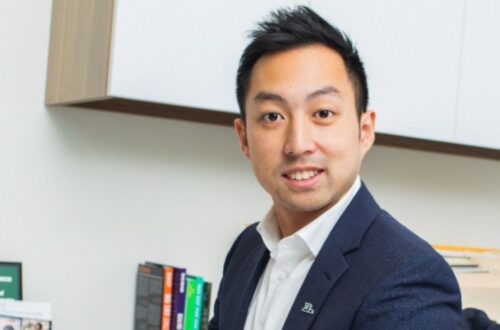
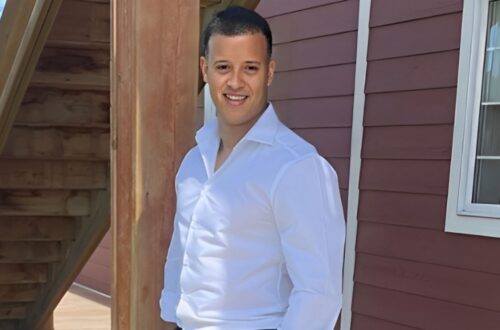
We had the opportunity to speak with Alaa Daloussi, a Canadian entrepreneur working in both construction equipment and real estate development. He helps bring international machinery to North America and guides property projects from planning to completion.
In this interview, Alaa Daloussi explains why safety and success in construction depend on the quality of the machines being used. He shares insights on choosing reliable equipment, maintaining high standards, improving efficiency, and ensuring every project is built with care, safety, and strength.
Interviewer: Today, we’re joined by Alaa Daloussi, an entrepreneur from Canada working in construction equipment and real estate. Thank you for being here.
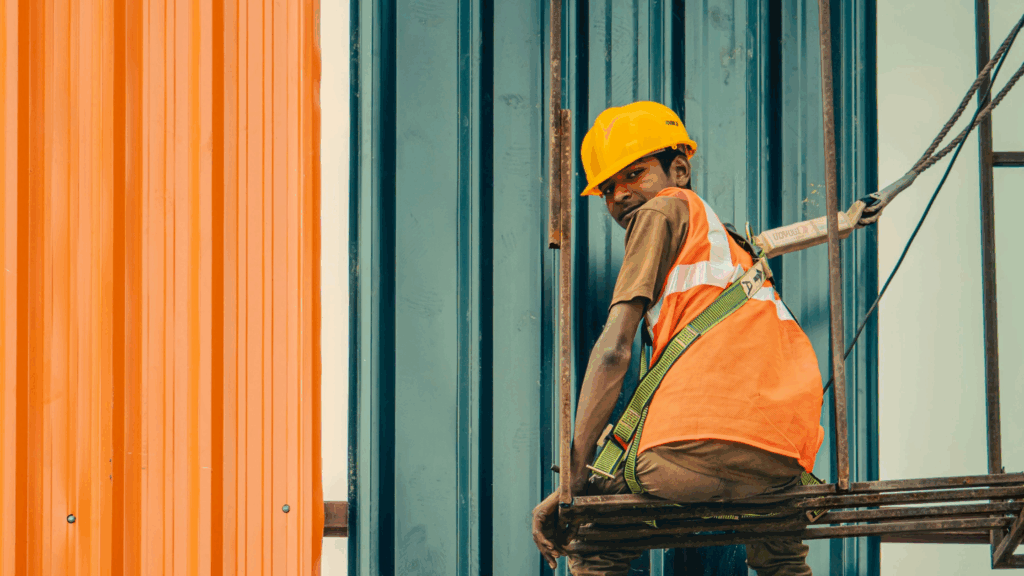
Alaa Daloussi: Thank you for having me. I’m glad to share ideas from my work in construction and real estate that may help others plan better and build stronger projects.
Interviewer: Why do you believe quality equipment is the key to safe construction?
Alaa Daloussi: Quality equipment is built to perform reliably under pressure. When machines are well-designed and well-maintained, they help workers stay safe and reduce the chance of breakdowns or accidents. Safe equipment supports safe habits. It allows teams to focus on the job instead of worrying about what might go wrong.
Read More: Noah Loul says, “Companies Without AI Sales Agents Won’t Survive the Next Decade.”
Interviewer: How does using poor-quality machinery affect a construction project?
Alaa Daloussi: Low-quality machines often lead to delays, higher costs, and safety risks. Breakdowns can stop work suddenly and make schedules harder to follow. Also, poor equipment can reduce accuracy, which affects the overall strength and quality of the project. It’s better to invest in trusted equipment from the start.
Interviewer: What role does regular maintenance play in equipment safety?
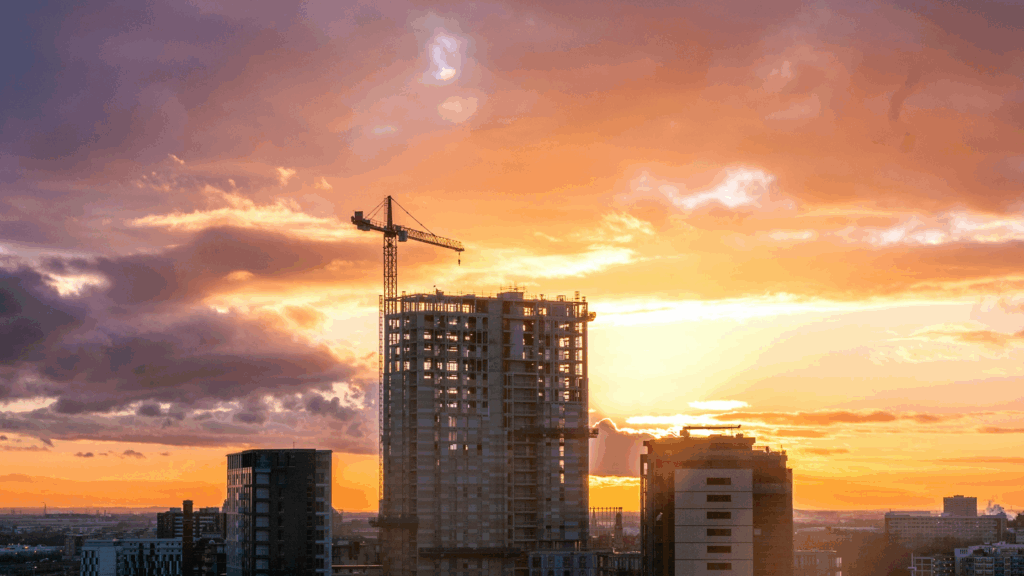
Alaa Daloussi: Maintenance is just as important as the machine itself. Even the best equipment needs regular care to stay safe. Small checks, cleaning, and servicing prevent bigger problems later. When machines are maintained properly, they perform better, last longer, and protect both workers and investment.
Interviewer: How do you ensure that the equipment you source meets safety standards?
Alaa Daloussi: We work only with manufacturers who follow international safety and quality rules. Every machine we bring in goes through testing and documentation checks. I also believe in supplier relationships built on trust and accountability. We make sure every unit meets the standards before it reaches a site.
Interviewer: How does advanced technology improve construction safety today?
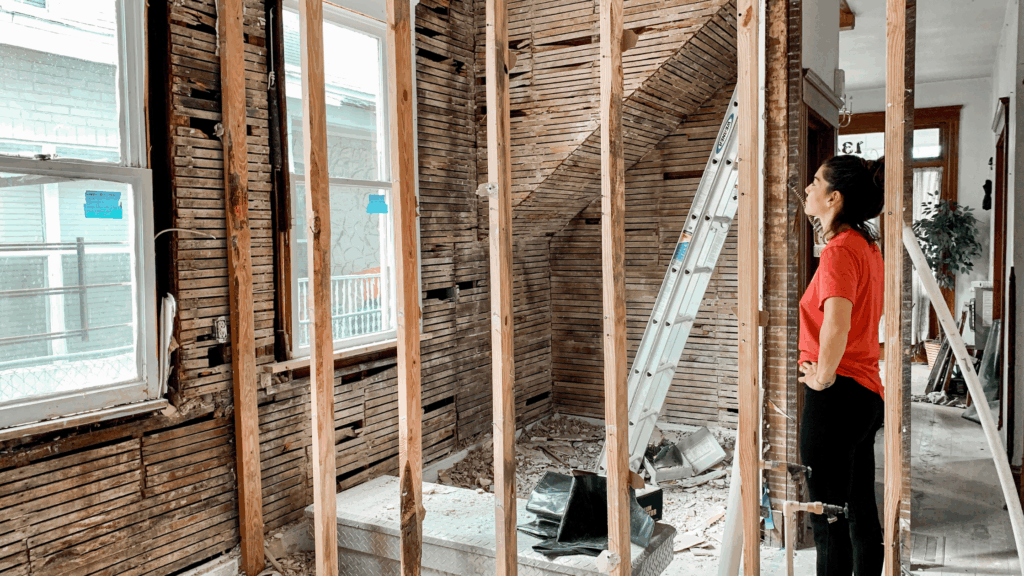
Alaa Daloussi: Modern technology has changed how we use equipment. Features like sensors, GPS, and smart control systems reduce human error and alert operators to risks early. These upgrades help workers perform tasks with more accuracy and less strain, making the job both safer and more productive.
Interviewer: What are some common mistakes companies make when choosing equipment?
Alaa Daloussi: Some companies focus only on price instead of long-term value. Cheap machines might save money now but cause higher costs later due to repairs or delays. Another mistake is not matching the right equipment to the job. Choosing based on need, not just cost, leads to better performance and safety.
Interviewer: How can construction teams build a culture of safety around equipment use?
Alaa Daloussi: Safety culture starts with leadership. When managers show that safety comes before speed, everyone follows. Regular training, clear communication, and celebrating safe behavior help build that culture. When teams feel responsible for one another, safety becomes part of daily work, not just a rule.
Interviewer: How do training programs help operators use equipment safely?
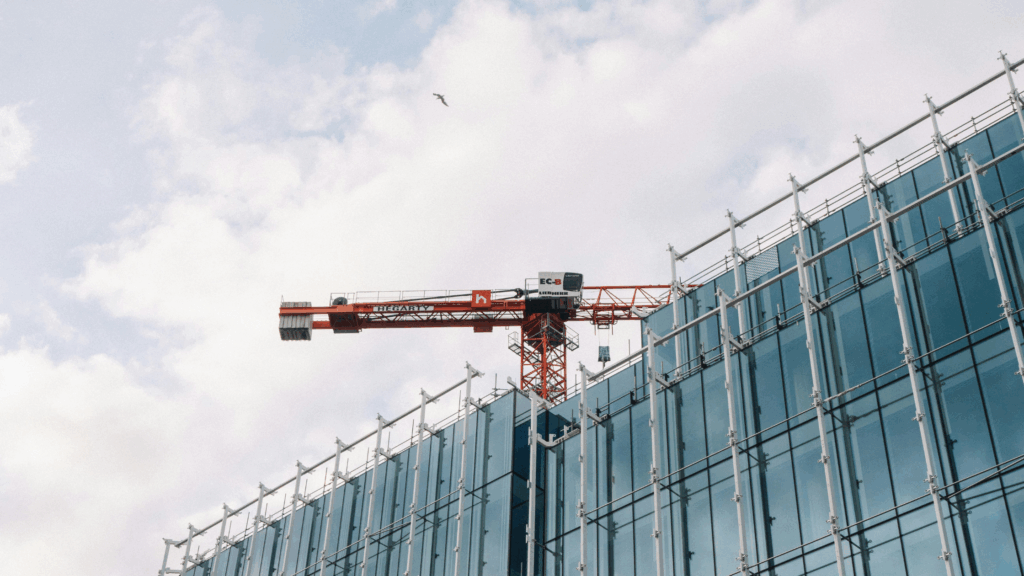
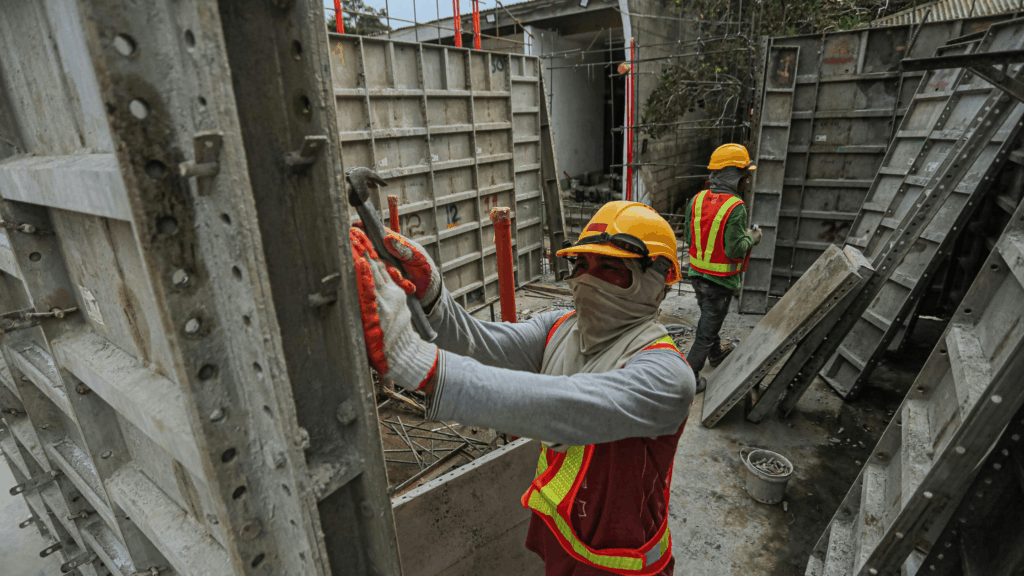
Alaa Daloussi: Training gives operators the knowledge to use equipment correctly and confidently. It teaches them how to spot issues early and follow safety steps. Proper training also builds respect for the machine. Skilled operators know that safety and performance always go hand in hand.
Interviewer: What are the signs that a machine might not be safe to use?
Alaa Daloussi: Warning signs include unusual sounds, leaks, vibration, or slower performance. Operators should never ignore these signals. If something doesn’t feel right, the machine should be stopped and inspected immediately. Small problems, if caught early, prevent larger and more dangerous failures later.
Interviewer: How do weather and environment affect equipment safety?
Alaa Daloussi: Weather plays a big role. Cold, heat, or wet conditions can change how machines perform. For example, hydraulic systems or tires react differently in extreme weather. It’s important to prepare the equipment for the season and train workers to handle conditions safely.
Interviewer: What are your thoughts on sustainability in construction equipment?
Alaa Daloussi: Sustainable machines use less fuel and produce fewer emissions, which helps both the environment and efficiency. Electric or hybrid models are becoming popular. Sustainability is not only about saving energy but also about building long-lasting, low-maintenance equipment that stays safe over time.
Interviewer: How do you balance cost and safety when selecting machinery?
Alaa Daloussi: It’s about smart budgeting. I always say, don’t look for the cheapest option, look for the most reliable one. A safe and durable machine gives better returns because it avoids accidents, downtime, and expensive repairs. Safety is an investment, not a cost.
Interviewer: What advice would you give to small contractors about buying equipment?
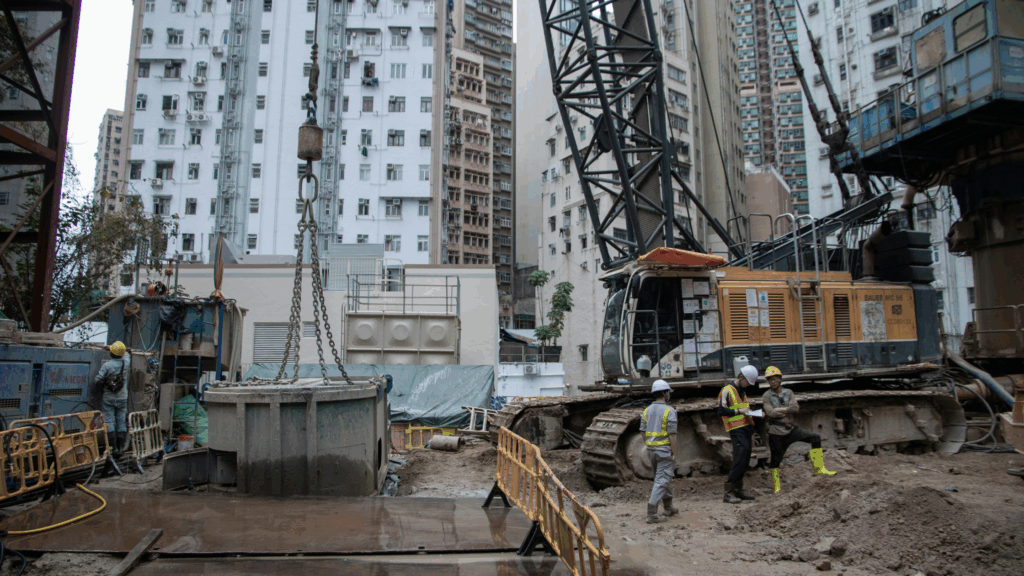
Alaa Daloussi: Start small but think long-term. Buy equipment that fits your project needs and can grow with your business. Don’t ignore safety features. It’s better to have fewer, high-quality machines than many that are unreliable. Also, consider renting when starting out to manage costs wisely.
Interviewer: How can digital tools help track equipment safety and performance?
Alaa Daloussi: Many companies now use digital platforms to monitor machine usage, maintenance, and fuel efficiency. These tools give real-time data that helps plan servicing and prevent breakdowns. It also creates a safety record for each machine, which supports accountability and better planning.
Interviewer: What’s the connection between safe equipment and worker confidence?
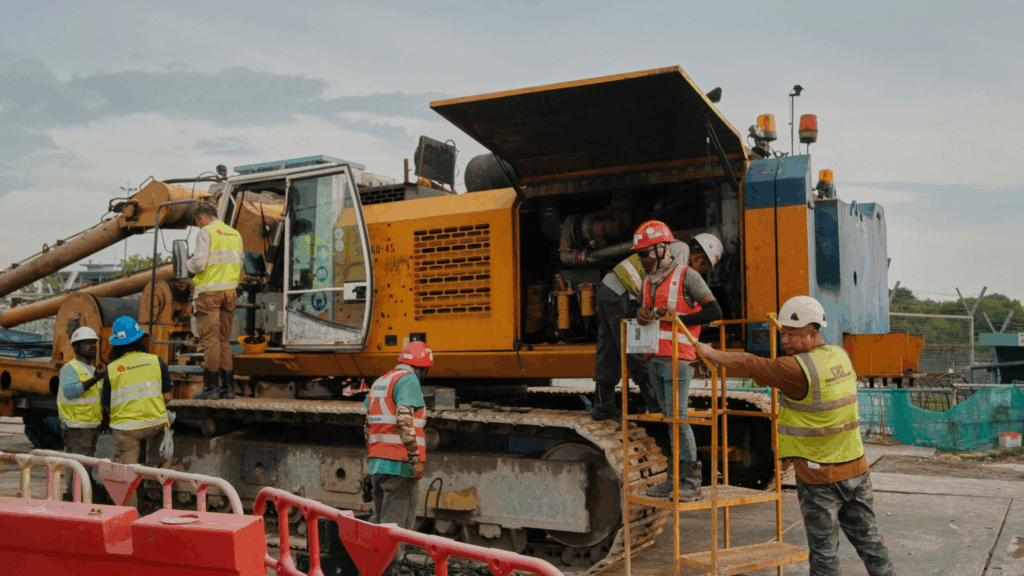
Alaa Daloussi: When workers trust their machines, they perform better. Safe, well-maintained equipment makes them feel protected and valued. That confidence leads to higher productivity and fewer mistakes. Good machines create not just safe sites but also strong, motivated teams.
Interviewer: How can companies reduce accidents related to equipment handling?
Alaa Daloussi: The key is training, awareness, and routine checks. Operators should inspect machines before every use and report anything unusual. Clear communication on-site is also vital. Simple habits like wearing safety gear and following limits can prevent many accidents.
Interviewer: What changes do you see coming in construction safety over the next few years?
Alaa Daloussi: I see more automation, digital monitoring, and smarter safety systems. Machines will do more of the heavy or risky work, reducing danger for people. As technology grows, safety will become more automatic and more effective, helping us build faster and safer than ever.
Interviewer: How do you define success in safe construction practices?
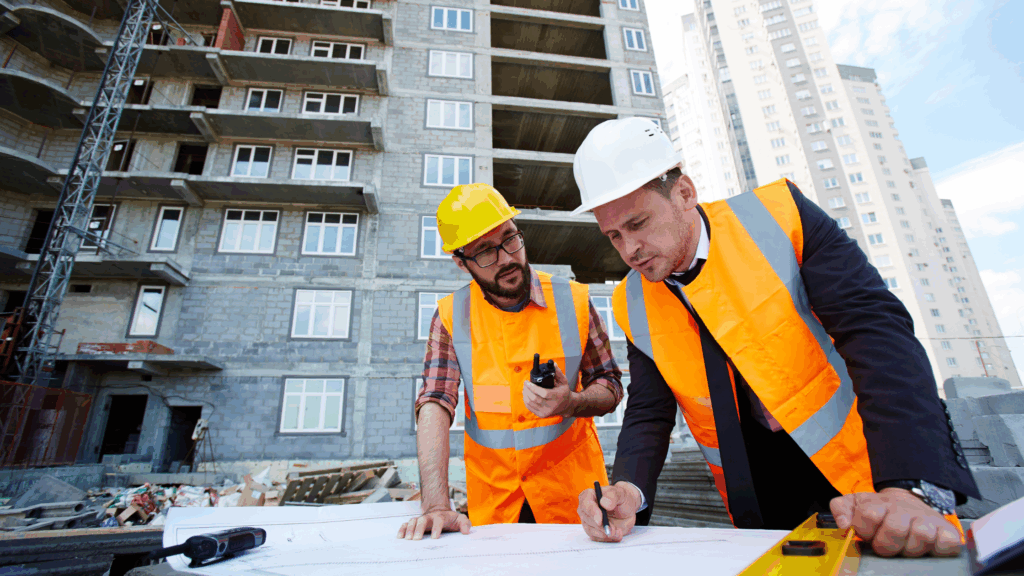
Alaa Daloussi: Success means everyone goes home safe at the end of the day, and the project runs smoothly from start to finish. It’s about building trust with your team, your clients, and your machines. Safety is not a goal; it’s a daily commitment.
Interviewer: Thank you again for your time and for sharing your experience so openly. Your insights are truly helpful, and we’re grateful to learn from your journey.
Alaa Daloussi: Thank you for having me. I appreciate the thoughtful questions. I hope what I shared helps others do their work with more ease, more care, and more success.