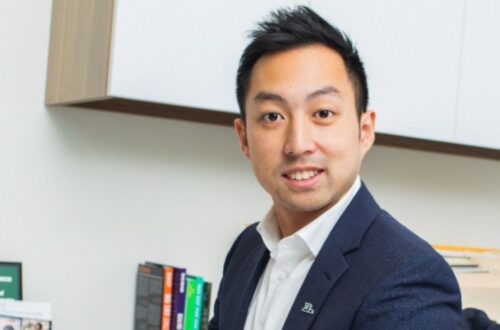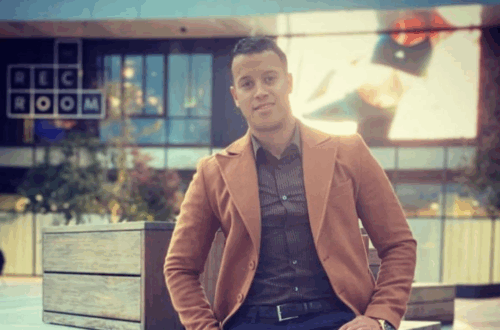
We recently sat down with Riad Daloussi, a Canadian entrepreneur recognized for his work in both the machinery and real estate industries. Riad Daloussi has built a strong reputation for connecting international equipment manufacturers with buyers across North America, ensuring that farmers, builders, and developers have access to reliable tools for their work.
In this interview, Riad Daloussi discusses how machinery shapes modern infrastructure, why investing in quality equipment matters, and what drives long-term success in the construction and development world.
Interviewer: Welcome, Riad Daloussi! To start, what inspired your belief that machinery drives modern infrastructure?
Riad Daloussi: Thank you! I’ve always believed that machinery is the heartbeat of development. Every major structure we see, from highways to residential towers, exists because of powerful machines doing the heavy lifting. Machinery brings precision, speed, and consistency to projects that would take years if done manually. It also ensures safety and efficiency at every stage. Modern infrastructure depends on how advanced and reliable our machines are, making them the true drivers of progress in every growing economy.
Also Read : Kirsten Poon of Edmonton Says, “AI Turns Data into Smarter Decisions.”
Interviewer: How do you see machinery shaping the future of infrastructure?
Riad Daloussi: Machinery will define the next generation of infrastructure. With advancements like automation, GPS control, and AI integration, construction will become faster and more accurate. Machines will be able to self-diagnose, adapt to terrain, and even run with minimal human input. This will reduce project delays and energy use while improving safety. As cities expand and smarter infrastructure is built, machinery will be the central tool that connects design, efficiency, and sustainability for a better future.
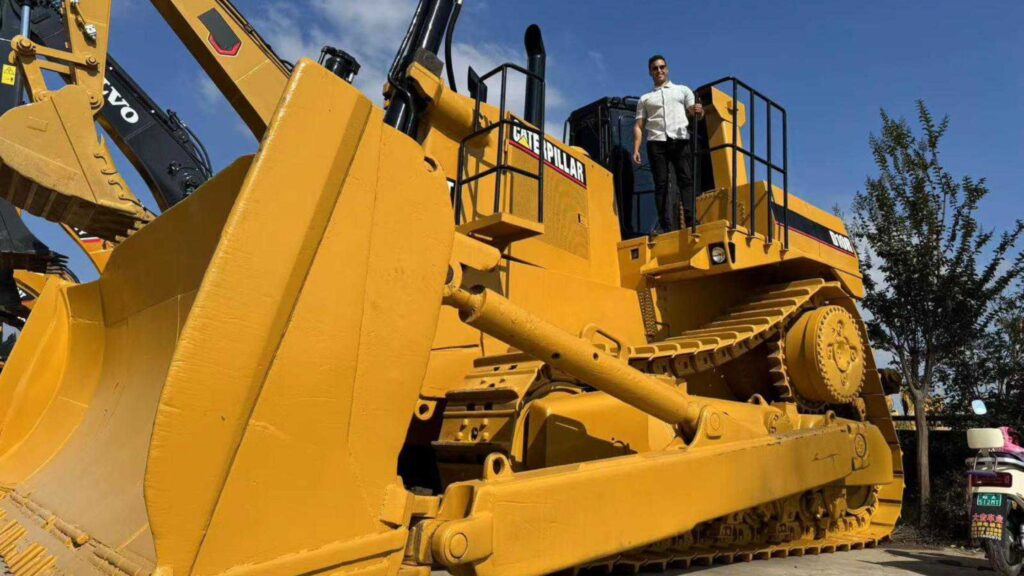
Interviewer: What role does technology play in improving construction machinery?
Riad Daloussi: Technology has completely changed how machines operate and perform. Today’s construction equipment is built with sensors, automation systems, and real-time tracking tools that help monitor productivity and maintenance. This reduces downtime and ensures work stays on schedule. Operators can now control machines more safely and precisely, even in difficult environments. Technology also improves energy use, allowing companies to save fuel and lower emissions while achieving higher-quality results on every job site.
Interviewer: Why is investing in quality machinery so important for infrastructure projects?
Riad Daloussi: Quality machinery may cost more at first, but it always pays off. Reliable machines deliver consistent performance, handle demanding tasks, and reduce the risk of breakdowns. That means fewer delays, lower repair costs, and safer worksites. In large-scale projects, even one piece of faulty equipment can cause serious setbacks. Investing in well-built, high-performing machinery ensures that work gets done faster, smoother, and with better results, helping both contractors and clients achieve long-term success.
Interviewer: How do global brands impact the North American equipment market?
Riad Daloussi: Global brands bring innovation and diversity to the machinery industry. They introduce fresh designs, advanced technologies, and alternative solutions that raise the standard for local markets. This kind of competition drives improvement among regional suppliers and gives customers more options to choose from. It also encourages better pricing and service quality. When international expertise combines with local demand, the result is stronger partnerships and a machinery market that supports continuous development and modernization.
Interviewer: What changes have you seen in construction machinery over the past decade?
Riad Daloussi: The transformation has been incredible. Machines are now faster, smarter, and more environmentally friendly. GPS control systems, automated digging, and digital monitoring have turned what used to be manual work into precise, efficient operations. There’s also a growing trend toward electric and hybrid machinery, which helps reduce emissions and fuel consumption. The overall design has become more operator-friendly, emphasizing safety, comfort, and productivity on every construction site, something that wasn’t common just a few years ago.
Interviewer: How does machinery help reduce project costs and delays?
Riad Daloussi: Machinery improves efficiency by doing more work in less time with fewer errors. Advanced equipment helps manage heavy workloads and minimizes downtime by alerting operators to maintenance needs early. It also saves on fuel and labor, making overall project management smoother. When machinery operates at peak performance, projects stay on schedule and within budget. This reliability allows developers to plan confidently, knowing that their machines won’t slow down progress or cause unnecessary costs.
Interviewer: Can machinery help improve sustainability in infrastructure?
Riad Daloussi: Definitely. The industry is moving toward greener technology every year. Many machines are now designed to use less fuel or run on electricity. Hybrid and fully electric models are helping construction companies cut emissions and reduce noise pollution. Modern machinery also supports precision work, meaning fewer wasted materials and resources. Sustainable equipment not only benefits the environment but also lowers long-term costs, proving that eco-friendly solutions and smart business decisions can go hand in hand.
Interviewer: How important is training for machinery operators today?
Riad Daloussi: Training is essential. Machines today come with advanced systems that require skilled handling. Proper training ensures operators understand how to use these features safely and efficiently. It also reduces the chances of accidents, improves productivity, and extends the life of the equipment. Companies that invest in training see better performance and fewer disruptions. When operators are confident and knowledgeable, both safety and quality improve across every stage of a construction project.
Interviewer: What advice would you give to new entrepreneurs entering the machinery business?
Riad Daloussi: My advice is to focus on relationships, reliability, and learning. Understand what your clients truly need and offer them equipment that fits those needs. Build partnerships with trusted suppliers and always deliver on your promises. Stay up to date with new technology and sustainability trends, because the industry is changing quickly. Most importantly, think long-term; this business is built on trust and consistency, not just short-term sales or quick wins.
Interviewer: How do machinery partnerships between countries benefit development?
Riad Daloussi: International partnerships open the door to better technology, investment, and shared expertise. When countries collaborate, they exchange innovation and create stronger industry standards. It helps bring advanced machinery to regions that need it most, improving productivity and quality. These partnerships also support local economies by creating jobs and building modern infrastructure. When global and local strengths combine, both sides benefit and the pace of development increases in meaningful, sustainable ways.
Interviewer: What do you think is the biggest challenge in the machinery supply industry?
Riad Daloussi: The biggest challenge today is maintaining stability in an unpredictable market. Supply chain delays, high logistics costs, and fluctuating material prices can all disrupt operations. Companies also face growing demand for greener technology, which requires constant innovation. To overcome these challenges, it’s important to stay adaptable, build strong partnerships, and plan. Those who can manage change while maintaining service quality will always find success, no matter how competitive the industry becomes.
Interviewer: How can machinery improve safety on construction sites?
Riad Daloussi: Modern machinery is built with safety in mind. New features like collision sensors, automatic shut-off systems, and stability control reduce risks for operators. Cameras and monitoring systems improve visibility around work zones. Machines are also ergonomically designed to reduce strain and fatigue. With proper training and maintenance, these advancements make job sites safer than ever before, protecting both workers and equipment while maintaining high productivity and performance standards every day.
Interviewer: What trends are you noticing in the machinery market today?
Riad Daloussi: One major trend is the shift toward smarter, more connected equipment. Machines that can collect and analyze data are helping businesses make better decisions. There’s also a growing demand for compact, fuel-efficient models that work well in urban environments. Green technology is another big focus; electric and hybrid options are becoming mainstream. Rental models are also gaining popularity, giving companies access to modern machinery without the full purchase cost. It’s a flexible, forward-looking market.
Interviewer: How does reliable equipment affect project timelines?
Riad Daloussi: Reliable machinery keeps projects running smoothly from start to finish. When equipment performs without frequent breakdowns, teams can focus on progress instead of repairs. Downtime is minimized, and deadlines are easier to meet. Reliable machines also reduce stress for project managers and workers alike. In the construction world, consistency is everything, having dependable equipment means every phase of the project stays aligned with the plan, saving time, money, and effort along the way.
Interviewer: How do you see electric and hybrid machinery changing the industry?
Riad Daloussi: Electric and hybrid machinery represent the next era of innovation. They’re cleaner, quieter, and more efficient than traditional diesel models. These machines are helping companies reduce their environmental footprint while saving on fuel costs. As technology improves, performance levels are matching or even surpassing conventional equipment. This shift not only supports sustainability but also aligns with government and client expectations for greener infrastructure, making it a win-win for business and the planet.
Interviewer: What impact does machinery have on economic growth?
Riad Daloussi: Machinery plays a massive role in economic growth. It accelerates infrastructure development, supports industries like mining, agriculture, and logistics, and creates thousands of jobs. Every machine on a site contributes to productivity, helping projects finish sooner and at lower cost. When infrastructure grows, businesses expand, trade increases, and communities prosper. In many ways, machinery is not just about construction; it’s about building economies and improving the quality of life for people everywhere.
Interviewer: How do you balance modern innovation with practical needs on job sites?
Riad Daloussi: It’s important to make sure innovation adds real value. Some new technologies look impressive but aren’t always practical for every project. The key is to choose equipment that fits the job’s size, budget, and goals. Listening to operators is also crucial; they know what works best in the field. Balancing innovation with usability ensures that machinery helps productivity instead of complicating it. Smart innovation is about solving real-world challenges, not just chasing trends.
Interviewer: Riad Daloussi, what’s your approach to building strong supplier and client relationships?
Riad Daloussi: Trust and communication are everything in this business. Being reliable, transparent, and available builds long-term loyalty. Clients appreciate it when you understand their needs and respond quickly to challenges. Good after-sales service, maintenance support, and honest advice go a long way. When you treat every partnership as a collaboration, not just a transaction, people remember that. Strong relationships are what keep the machinery industry thriving and growing, no matter how competitive the market becomes.
Interviewer: Finally, Riad Daloussi, what message would you like to share about the future of machinery in infrastructure?
Riad Daloussi: Machinery will continue to shape the world’s growth. As technology evolves, machines will become cleaner, safer, and more intelligent. They’ll help us build smarter cities, stronger economies, and greener environments. The focus will be on innovation that benefits both people and the planet. With the right investment, training, and collaboration, machinery will keep driving infrastructure that supports the future of sustainable living. Thank you for having me. It’s been a pleasure discussing this.