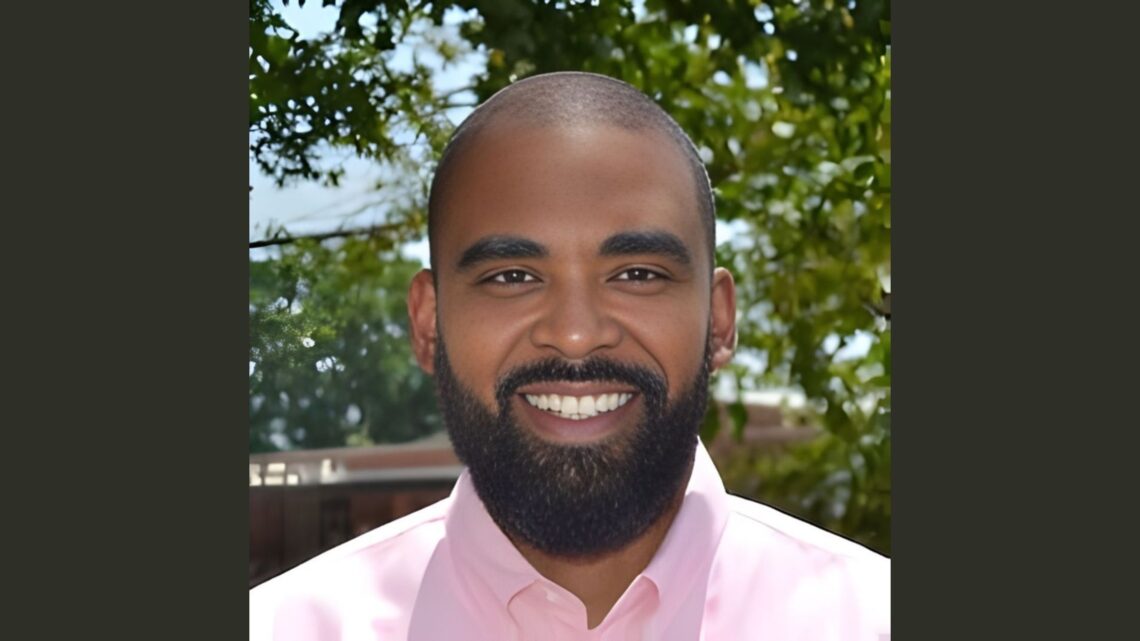
We spoke with Alcide Honoré, co-founder of Billseye Inc., a fintech platform built to help professionals and firms better capture and track their client work. Drawing from over sixteen years of legal and business experience, Alcide Honoré explains why strong systems matter more than effort alone. In this conversation, Alcide L. Honoré shares how better systems reduce missed work, improve visibility across teams, and support accurate billing. He also discusses how simple, well-structured tools help firms protect revenue, increase accountability, and earn fairly for the value they delive
Interviewer: Today, we’re joined by Alcide Honoré, co-founder of Billseye Inc., who says that “better systems help firms earn what they deserve.” Thank you for being here, Alcide L. Honoré.
Alcide Honoré: Thank you for having me. This topic matters because many firms work hard but still lose income due to weak or outdated systems. When systems are not clear or connected, important work is missed, time is not tracked, and value is lost without anyone noticing. Better systems bring structure and visibility. They help teams capture their work properly, bill with confidence, and ensure that effort is matched with fair compensation.
Interviewer: Alcide Honoré, what do you mean when you say better systems help firms earn what they deserve?
Alcide Honoré: Better systems mean clear and simple ways to record work, time, and communication. Many firms already do valuable work every day, but they do not capture it properly. When systems are weak, work gets forgotten or lost. Strong systems make sure every task, call, and message is counted. This helps firms bill correctly, reduce mistakes, and earn fair value for the effort they already put in.
Read More: Interview with Mrs. 50 Cent About Her Vision as a Music Artist
Interviewer: Why do many firms struggle to earn their full value?
Alcide Honoré: Most firms struggle because they rely on memory instead of systems. People are busy and focused on helping clients, not tracking details. Over time, small missed tasks add up to large revenue loss. Without a clear system, it becomes hard to see how much work is really done. This is not about working harder. It is about having a system that shows the full picture of daily work.
Interviewer: How do better systems improve everyday work inside a firm?

Alcide Honoré: Better systems bring structure and clarity to daily work. People know where to log tasks and how to track communication. This reduces confusion and repeated work. Teams waste less time searching for information. When systems are clear, people feel more confident and focused. Work flows better, deadlines are easier to manage, and nothing important is overlooked. This leads to better results without adding pressure.
Interviewer: Why do you believe simple systems work better than complex ones?
Alcide Honoré: Simple systems are easier to understand and use every day. When systems are complex, people avoid them or use them incorrectly. This creates gaps in data and tracking. Simple tools fit naturally into daily routines. They require less training and fewer steps. When people actually use a system, it becomes effective. Simplicity helps teams stay consistent, which is the key to long-term success and accuracy.
Interviewer: How do better systems help with fair and accurate billing?
Alcide Honoré: Better systems capture all billable work as it happens. Calls, emails, and follow-ups are often forgotten when billing later. A good system records these actions automatically or easily. This makes invoices more accurate and complete. Firms no longer need to guess what work was done. Fair billing builds trust with clients and ensures firms are paid for the true value they deliver every day.
Interviewer: What role does communication play in earning full value?
Alcide Honoré: Communication is where most professional value is created. Advice, decisions, and problem-solving often happen in calls or messages. If communication is not tracked, that value disappears from records. Better systems capture these moments clearly. This shows how much effort goes into serving clients. When communication is visible, firms can better understand their workload and make sure that work is properly recognized and billed.
Interviewer: Why is consistency important when using systems?

Alcide Honoré: Consistency makes systems reliable. When everyone follows the same process, data becomes accurate and useful. Inconsistent use leads to gaps and confusion. A consistent system builds good habits over time. It also helps new team members adapt faster. When systems are used the same way every day, firms gain better insight into performance, workload, and revenue, which supports smarter decision-making.
Interviewer: How do better systems support firm leaders and managers?
Alcide Honoré: Better systems give leaders clear visibility into what is happening inside the firm. They can see where time is spent and where value is created. This helps leaders plan resources and improve processes. Without good systems, decisions are based on guesses. With clear data, leaders can guide teams more effectively, reduce inefficiencies, and focus on growth instead of constantly fixing problems.
Interviewer: How do systems impact long-term firm growth?
Alcide Honoré: Systems are the foundation of sustainable growth. As firms grow, manual tracking no longer works. Better systems allow firms to scale without losing revenue. They help maintain quality and accuracy as workload increases. With strong systems, growth becomes steady instead of chaotic. Firms can take on more clients while still capturing full value, which supports healthy and predictable expansion.
Interviewer: How does Billseye help firms build better systems?
Alcide Honoré: Billseye helps firms capture and track client communication in a clear and simple way. It focuses on the work that is often missed, like calls and messages. By recording this activity, Billseye helps firms see the full value of their services. It supports accurate billing and better insights without adding extra work. This makes it easier for firms to earn what they deserve.
Interviewer: Why was Billseye built with communication at its core?
Alcide Honoré: Billseye was built because communication is central to professional services. Many firms deliver value through conversations, not just documents. Yet communication is often ignored in tracking systems. Billseye solves this problem by focusing on how professionals actually work. It captures real interactions and turns them into clear data. This helps firms protect their revenue and better understand their client relationships.
Interviewer: How does Billseye support simple and effective systems?
Alcide Honoré: Billseye is designed to fit into existing workflows. It does not require complex steps or constant manual input. The goal is to make tracking easy and natural. When tools are simple, people actually use them. Billseye helps firms stay organized without adding stress. This supports consistency and accuracy, which are essential for earning full value from daily work.
Interviewer: What advice do you give firms improving their systems?
Alcide Honoré: I advise firms to focus on clarity first. Choose systems that solve real problems and are easy to use. Do not try to track everything at once. Start with the most important areas, like communication and time. Make sure everyone understands the process. Over time, small improvements add up. The right system should support work, not slow it down.
Interviewer: How do better systems improve client trust?

Alcide Honoré: Better systems create clear records of work done. This transparency helps clients understand the value they receive. Accurate billing and documentation reduce disputes and confusion. When clients see organized and consistent processes, they feel more confident. Trust grows when firms can clearly explain their work. Strong systems show professionalism and respect for both the client’s time and money.
Interviewer: Can better systems help firms stay competitive?
Alcide Honoré: Yes, firms with strong systems operate more efficiently and accurately. They waste less time and lose less revenue. This allows them to invest more in service quality and innovation. Competitors with weak systems struggle to keep up. Better systems create a strong foundation that supports growth, stability, and long-term success in a competitive market.
Interviewer: Thank you again, Alcide L. Honoré, for explaining why better systems are key to helping firms earn what they deserve. Your insights show how the right tools can protect value and support long-term growth.
Alcide Honoré: Thank you for the opportunity. I believe better systems are not about adding more tools, but about creating clarity and consistency. When firms use systems that support their daily work, they reduce mistakes, improve accountability, and earn fairly for the value they provide. Simple, well-designed systems allow teams to focus on clients, trust their processes, and grow with confidence.