Brian Caper is an experienced Economic Developer with nearly 15 years of leadership in municipal economic development, urban planning, and workforce strategy. Throughout his career, he has led large redevelopment efforts, managed major public investments, and worked closely with city leaders, planners, and community stakeholders. His work focuses on aligning economic growth with community needs through clear strategy and long-term planning. Brian Caper believes that smart urban planning is not just about buildings and infrastructure, but about creating strong, organized, and sustainable communities. He supports practical solutions that help cities grow responsibly while improving quality of life for residents and supporting local businesses.
Interviewer: Today, we’re joined by Brian Caper to discuss smart urban planning and community growth. Thank you for being with us.
Brian Caper: Thank you for the opportunity. I’m glad to share simple and practical ideas about how cities can plan wisely and grow in ways that truly support their communities.
Interviewer: What does smart urban planning mean to you?
Brian Caper: Smart urban planning means making careful decisions about how land, roads, housing, and public spaces are used. It requires clear goals, strong research, and community input. Good planning looks at both present needs and future growth. It avoids quick fixes and instead focuses on long-term value. When cities plan in a thoughtful way, they reduce problems like traffic, overcrowding, and poor infrastructure, while creating stronger and more organized communities.

Interviewer: Why is urban planning important for community growth?
Brian Caper: Urban planning sets the direction for how a city develops over time. Without a clear plan, growth can become unbalanced and create challenges. Smart planning ensures that housing, jobs, schools, and infrastructure grow together. It helps cities use resources wisely and avoid costly mistakes. When planning is done correctly, it creates stable neighborhoods, supports local businesses, and improves the quality of life for residents.
Interviewer: How can cities balance growth and community needs?
Brian Caper: Cities can balance growth by listening to residents and understanding local priorities. Growth should not only focus on buildings and investment but also on services, safety, and public spaces. Smart planning includes public meetings, surveys, and data analysis. Leaders must consider traffic flow, school capacity, and access to parks. When growth is planned with community needs in mind, it creates positive results instead of stress.
Also Read: Austin Goman Talks About Legal Strategy for Growing Businesses
Interviewer: How can smart urban planning prepare cities for future challenges?
Brian Caper: Smart urban planning helps cities prepare for future challenges by focusing on flexibility and long-term thinking. Cities must consider population growth, economic changes, and infrastructure needs before problems arise. By using reliable data, updating plans regularly, and investing in strong public systems, communities can stay ready for change. Planning ahead reduces risk and protects public resources. When leaders think about the future today, cities become more stable, organized, and better prepared for long-term community growth.
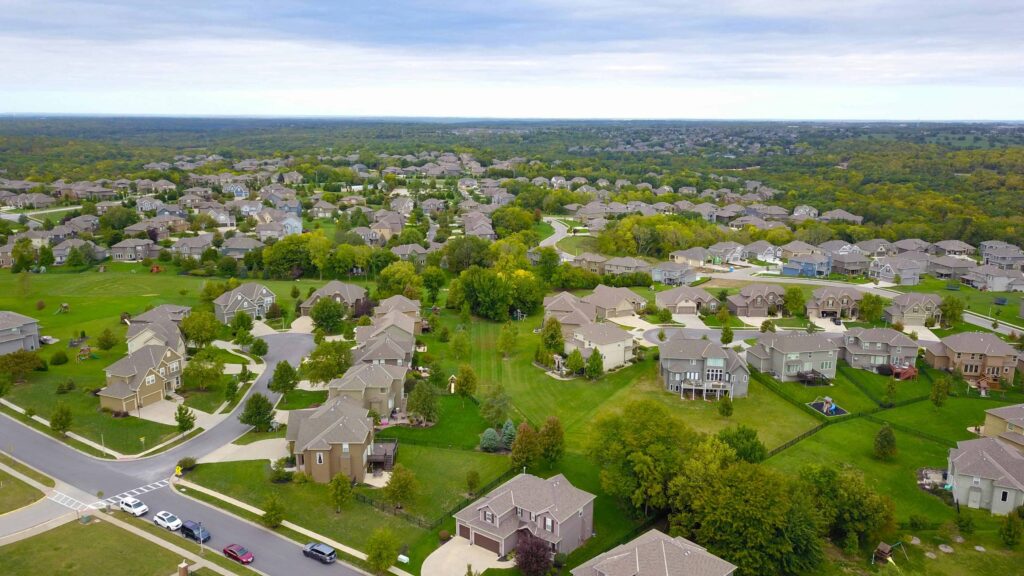
Interviewer: What role does infrastructure play in smart planning?
Brian Caper: Infrastructure is the foundation of any growing city. Roads, water systems, public transportation, and utilities must be prepared before major development happens. If infrastructure is ignored, cities face congestion and service problems. Smart planning studies infrastructure capacity early and makes improvements ahead of growth. This approach saves money over time and supports safe, efficient, and organized expansion.
Interviewer: How can cities encourage responsible development?
Brian Caper: Responsible development starts with clear rules and consistent policies. Cities should create zoning plans and building standards that support long-term goals. Incentives can guide developers toward projects that benefit the community, such as mixed-use areas or affordable housing. Transparency and strong communication also help. When expectations are clear, development becomes more predictable and aligned with community values.
Interviewer: Why is long-term thinking important in urban planning?
Brian Caper: Cities do not grow overnight, and planning decisions can last for decades. Long-term thinking helps leaders prepare for population growth, economic shifts, and environmental challenges. Instead of reacting to problems, cities can prevent them. A long-term approach creates stability and confidence for businesses and residents. It also ensures that public investments bring lasting value.

Interviewer: How does smart planning support local economies?
Brian Caper: Smart planning creates areas where businesses can succeed. When transportation, utilities, and zoning are organized, companies are more willing to invest. Planning also supports workforce access by connecting housing to job centers. A well-planned city attracts talent and investment. This strengthens the local economy and creates more job opportunities for residents.
Interviewer: What is the importance of mixed-use development?
Brian Caper: Mixed-use development combines housing, retail, and offices in one area. This reduces long travel times and supports walkable neighborhoods. It encourages small businesses and creates active public spaces. Smart planning promotes mixed-use areas because they improve convenience and reduce traffic congestion. They also help build stronger community connections.
Interviewer: How can cities manage rapid growth?
Brian Caper: Managing rapid growth requires clear data and strong coordination. Cities must track population trends, housing demand, and infrastructure capacity. Phased development can control expansion step by step. It is also important to update plans regularly. By staying organized and proactive, cities can handle growth without overwhelming public services.

Interviewer: What role does community input play in planning?
Brian Caper: Community input ensures that development reflects local needs and values. Residents understand daily challenges and opportunities. Public meetings and surveys help leaders gather feedback. When people feel heard, trust increases. Smart urban planning includes open communication so decisions are better informed and widely supported.
Interviewer: How can sustainability be included in urban planning?
Brian Caper: Sustainability means planning in ways that protect resources for future generations. Cities can promote energy-efficient buildings, green spaces, and public transportation. Stormwater management and clean energy solutions are also important. Smart planning balances growth with environmental responsibility. This reduces long-term costs and supports healthier communities.
Interviewer: Why is clear zoning important?
Brian Caper: Clear zoning gives structure to development. It defines where housing, businesses, and industrial areas should be located. Without zoning, land use can become disorganized. Smart zoning supports safety, efficiency, and economic growth. It helps cities grow in a balanced and predictable way.
Interviewer: How can urban planning improve quality of life?
Brian Caper: Good planning improves daily life by creating safe streets, parks, and accessible services. It reduces traffic and supports local shops and schools. Smart urban planning connects people to opportunities while maintaining clean and organized neighborhoods. When planning focuses on residents, cities become more livable and welcoming.

Interviewer: What is the biggest challenge in community growth?
Brian Caper: One major challenge is aligning different interests. Residents, businesses, and developers may have different goals. Smart planning requires compromise and strong leadership. Clear communication and shared data help create balanced solutions. When leaders focus on long-term benefits, communities can move forward together.
Interviewer: What is your final message about smart urban planning and community growth?
Brian Caper: Smart urban planning is about preparation, balance, and responsibility. Growth should strengthen communities, not strain them. With clear goals, data-driven decisions, and public involvement, cities can create lasting success. Community growth works best when planning is thoughtful, practical, and focused on long-term value for everyone.