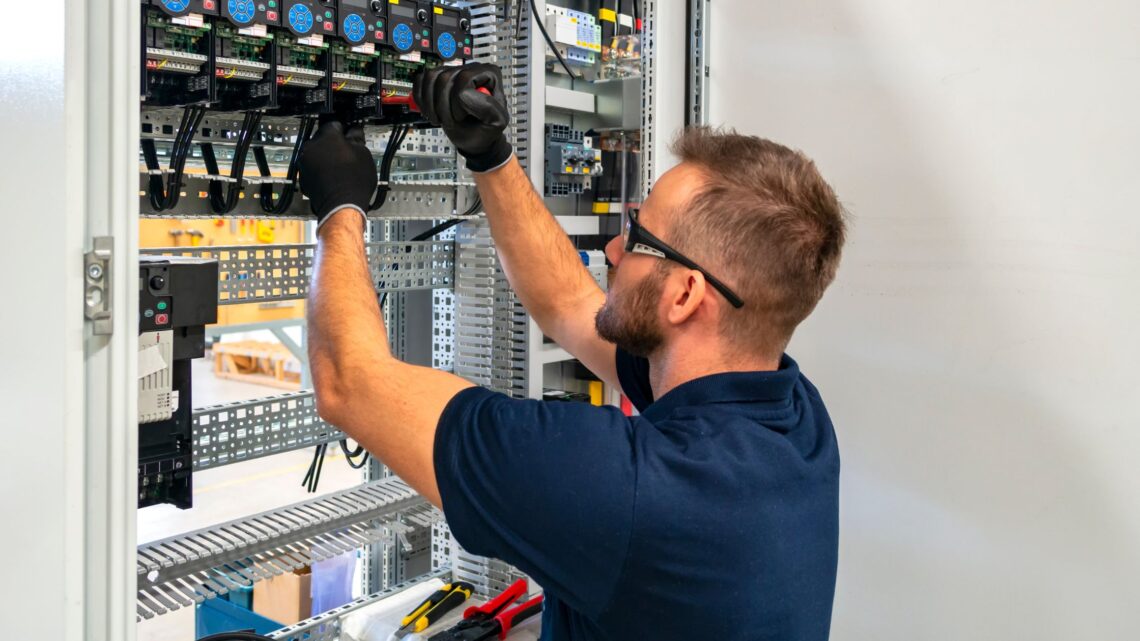
Patrick Kennelly has spent more than thirty years working in electrical contracting across New York. Patrick Kennelly built his career through hands-on work, steady learning, and strong leadership. As the owner of Anthony G. Ferry Inc, he manages projects that demand careful planning and clear direction.
Today we have Pat Kennelly with us to discuss how you can handle complex electrical projects with confidence and control.
Interviewer: What makes a project complex in your view?
Patrick Kennelly: A project becomes complex when many systems connect at once and you need to manage each one with care. You deal with power distribution, control systems, and strict safety rules at the same time. You also work with different trades, and each depends on the other. If one part slows down, the rest of the work gets affected. That is why you must stay aware of every moving part.
Interviewer: How do you prepare before starting such a project?
Patrick Kennelly: You begin with a full review of the project details. You study drawings, confirm load requirements, and check the site conditions in person. You also speak with engineers and contractors early to clear doubts. When you take time to prepare, you reduce confusion later. This step gives you a clear path and helps your team stay focused from the start.
Interviewer: What role does planning play in success?
Patrick Kennelly: Planning sets the tone for the entire project. When you plan well, you know what materials you need and when to bring them in. You also understand your schedule and how each phase connects. Planning helps you spot risks before they become problems. It gives your team direction and keeps the work steady without unnecessary delays.
Interviewer: How do you manage safety in complex environments?
Patrick Kennelly: You follow the same safety steps every single day without exception. You inspect tools, confirm shutdown procedures, and make sure everyone understands their role. You also remind your team to stay alert at all times. Safety is not something you adjust based on the job. You keep it consistent so that everyone works with confidence and control.

Interviewer: What challenges do teams face on large projects?
Patrick Kennelly: One of the main challenges is keeping everyone on the same page. When you have many workers and trades involved, communication gaps can happen. These gaps lead to delays or mistakes. You also deal with tight schedules and changing conditions. If you do not manage these well, the project can slow down quickly and create stress for the team.
Interviewer: Can you share an example from your experience?
Patrick Kennelly: I worked on a project where several systems had to go live at the same time. The timeline was tight, and there was no room for error. We broke the work into smaller steps and assigned clear roles to each team. We tested each system before moving ahead. This approach helped us complete the project on time without major issues.
Interviewer: How do you handle pressure during deadlines?
Patrick Kennelly: You focus on staying calm and thinking clearly. When pressure builds, rushing can lead to mistakes. You review your plan and adjust where needed. You also support your team so they stay focused on their tasks. Pressure is part of the job, but your response to it makes the real difference in how the project moves forward.
Also Read: Simon Tian Says, “Seamless Connectivity Changes Everything.”
Interviewer: What skills should an electrician build for complex work?
Patrick Kennelly: You need strong technical knowledge and hands-on experience. You should know how to read plans and understand how systems connect. Problem-solving skills also matter because challenges come up often. You also need good communication skills since you work with different teams. These skills help you handle tasks with more control and confidence.

Interviewer: What mistakes should people avoid?
Patrick Kennelly: One common mistake is skipping proper planning. Another is ignoring safety steps because of time pressure. You should also avoid making assumptions without checking details. Small errors can grow into bigger problems if you do not address them early. Staying disciplined and focused helps you avoid these issues and keep your work on track.
Interviewer: How do you ensure quality in every project?
Patrick Kennelly: You check your work at every stage instead of waiting until the end. You test systems as you complete them and confirm they meet requirements. You also follow code rules closely. Quality comes from steady effort and attention to detail. When you take ownership of your work, you deliver results that meet expectations.
Interviewer: How do you handle changes during a project?
Patrick Kennelly: Changes are part of most projects, so you need to stay flexible. You review how the change affects your plan and timeline. Then you update your team and adjust tasks. Clear communication during changes helps avoid confusion. When you handle changes with a calm approach, you keep the project moving without major setbacks.
Interviewer: How do you manage time across multiple tasks?
Patrick Kennelly: You break the project into smaller steps and set clear priorities. You focus on tasks that need attention first while keeping track of the full schedule. You also review progress often to stay on track. Good time management helps you stay organized and ensures that each part of the project moves forward as planned.

Interviewer: How do you deal with unexpected issues on-site?
Patrick Kennelly: You assess the situation quickly and gather the right people to discuss it. You look at possible solutions and decide on the best option. Acting with a clear mind helps you solve problems faster. Unexpected issues are part of the job, but your ability to respond well keeps the project under control.
Interviewer: How important is documentation in your work?
Patrick Kennelly: Documentation helps you keep track of every step in the project. You record changes, approvals, and updates so that everyone stays informed. This record also helps you avoid disputes later. When you maintain clear documentation, you create a structured workflow that supports both your team and the client.
Interviewer: What keeps you motivated after so many years in the field?
Patrick Kennelly: Each project brings a new challenge and a chance to learn. That keeps the work engaging. You also see the results of your effort in completed projects, which brings satisfaction. Working with a strong team and solving real problems keeps you motivated to continue growing in the field.
Patrick Kennelly continues to guide teams and projects with a steady approach built on experience and discipline. His work shows that complex electrical projects become manageable when you focus on planning, safety, and teamwork.